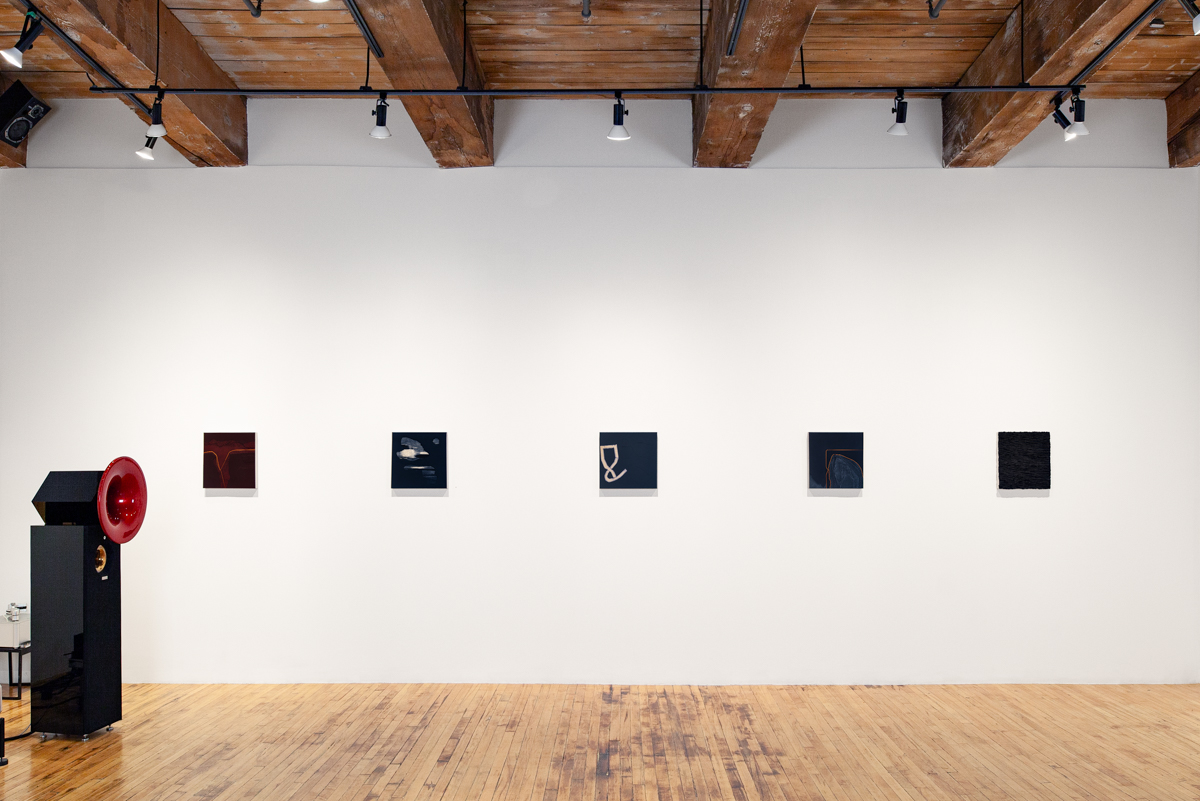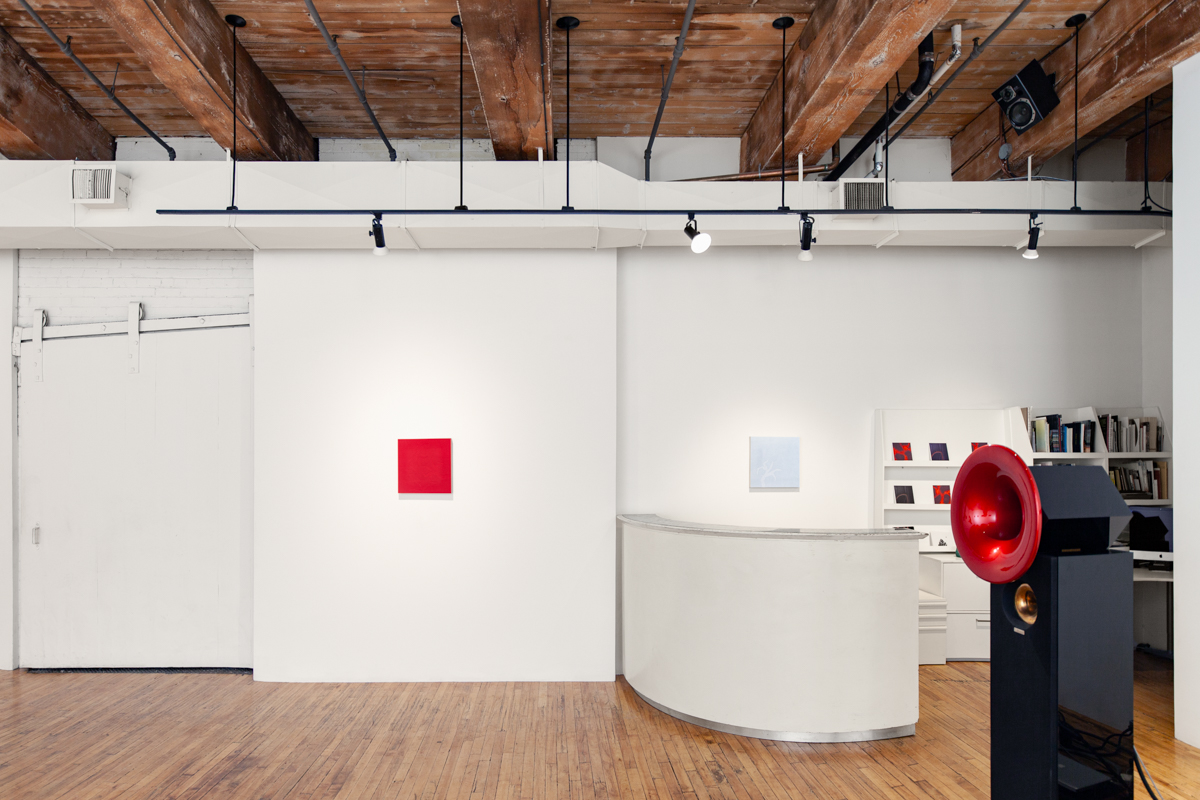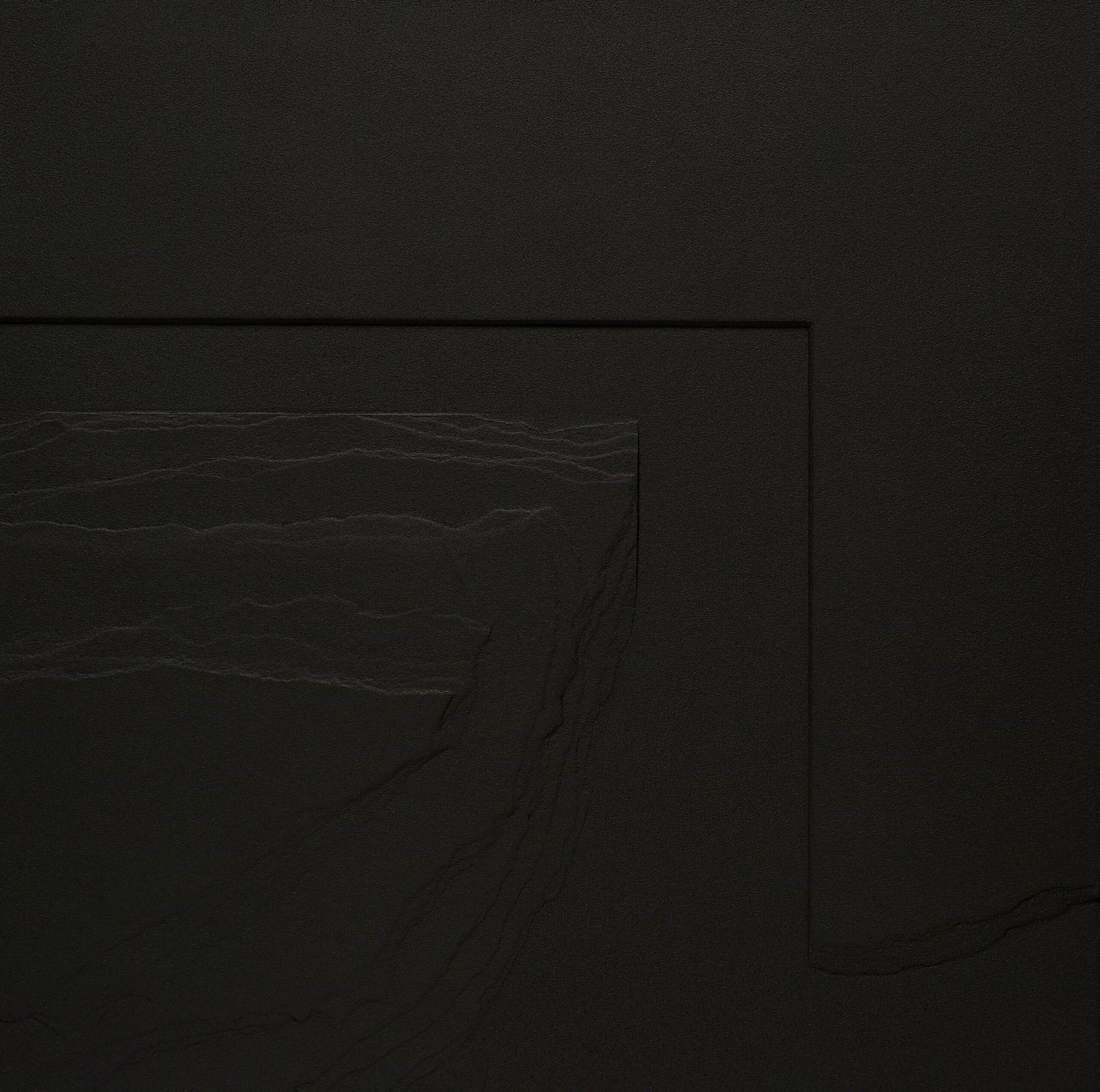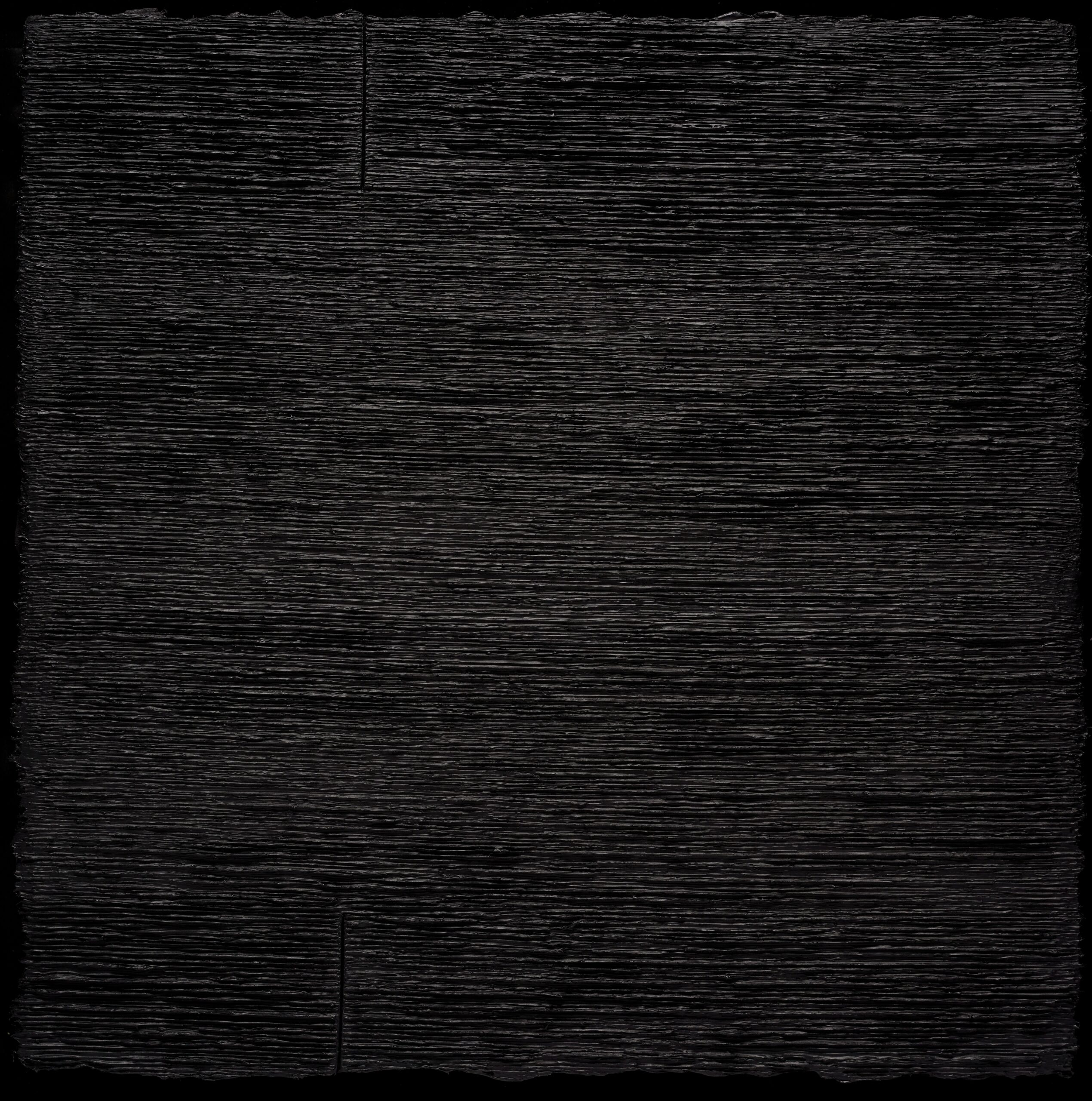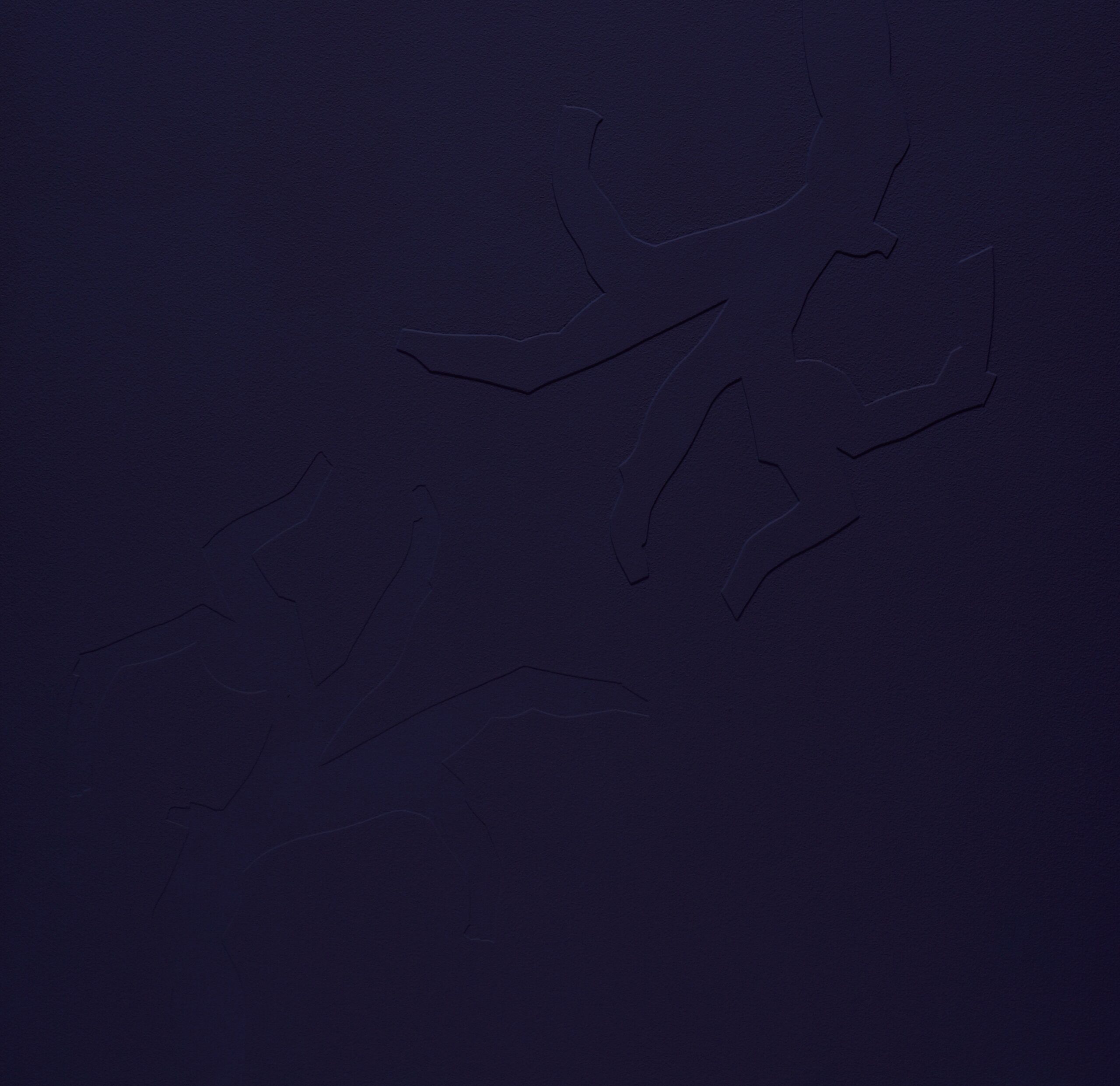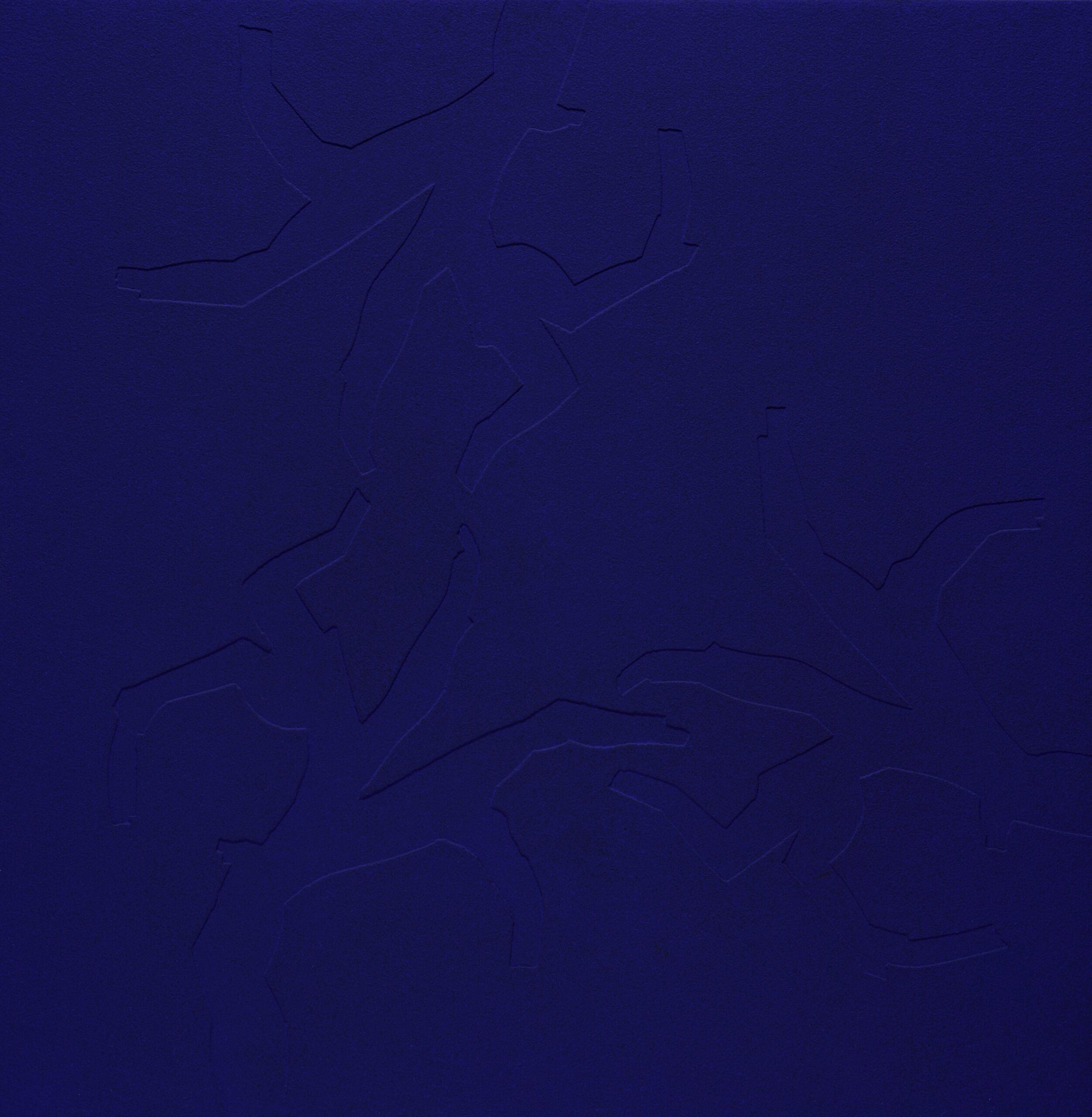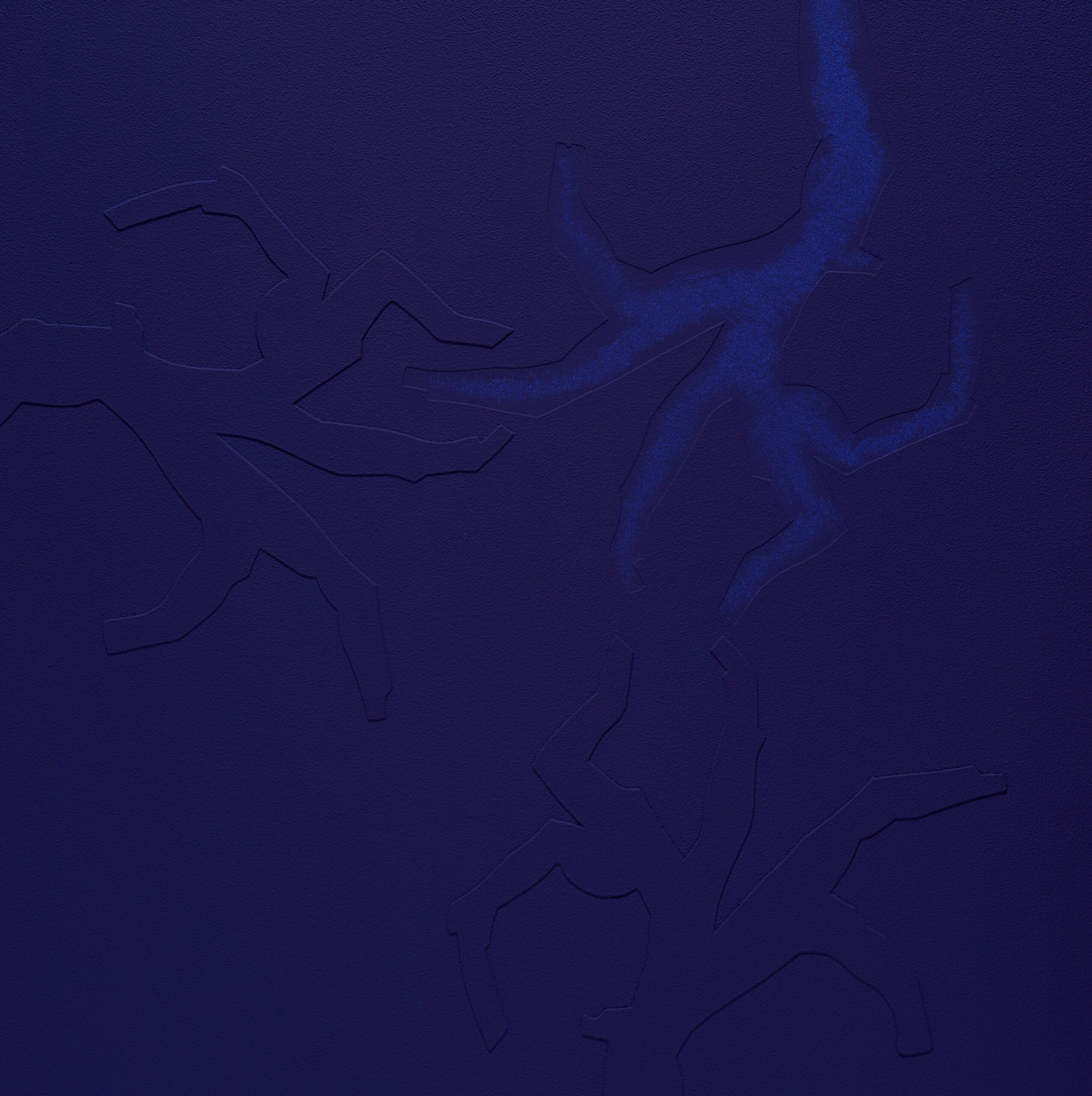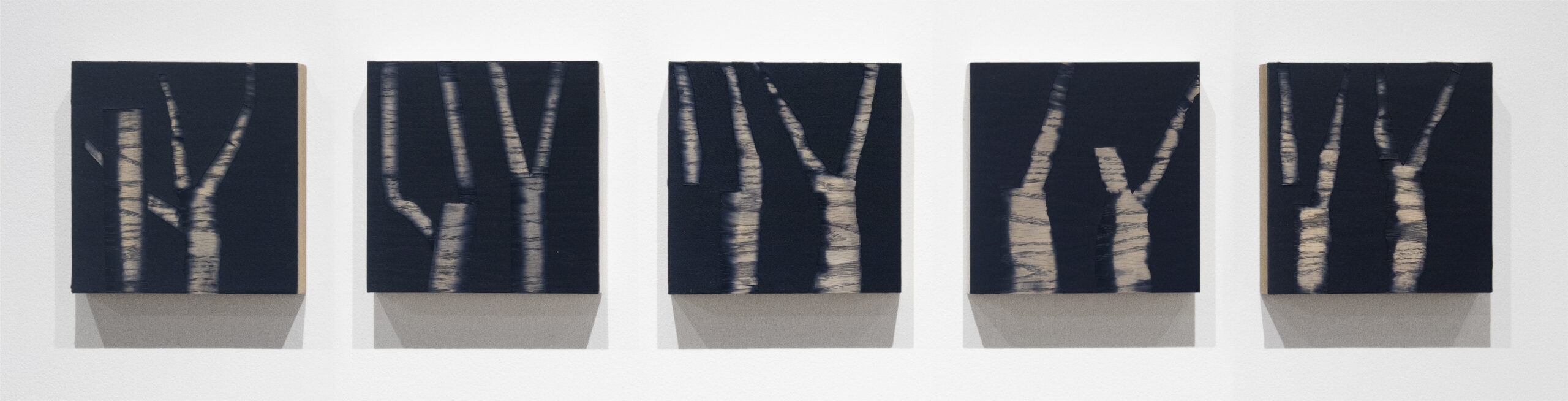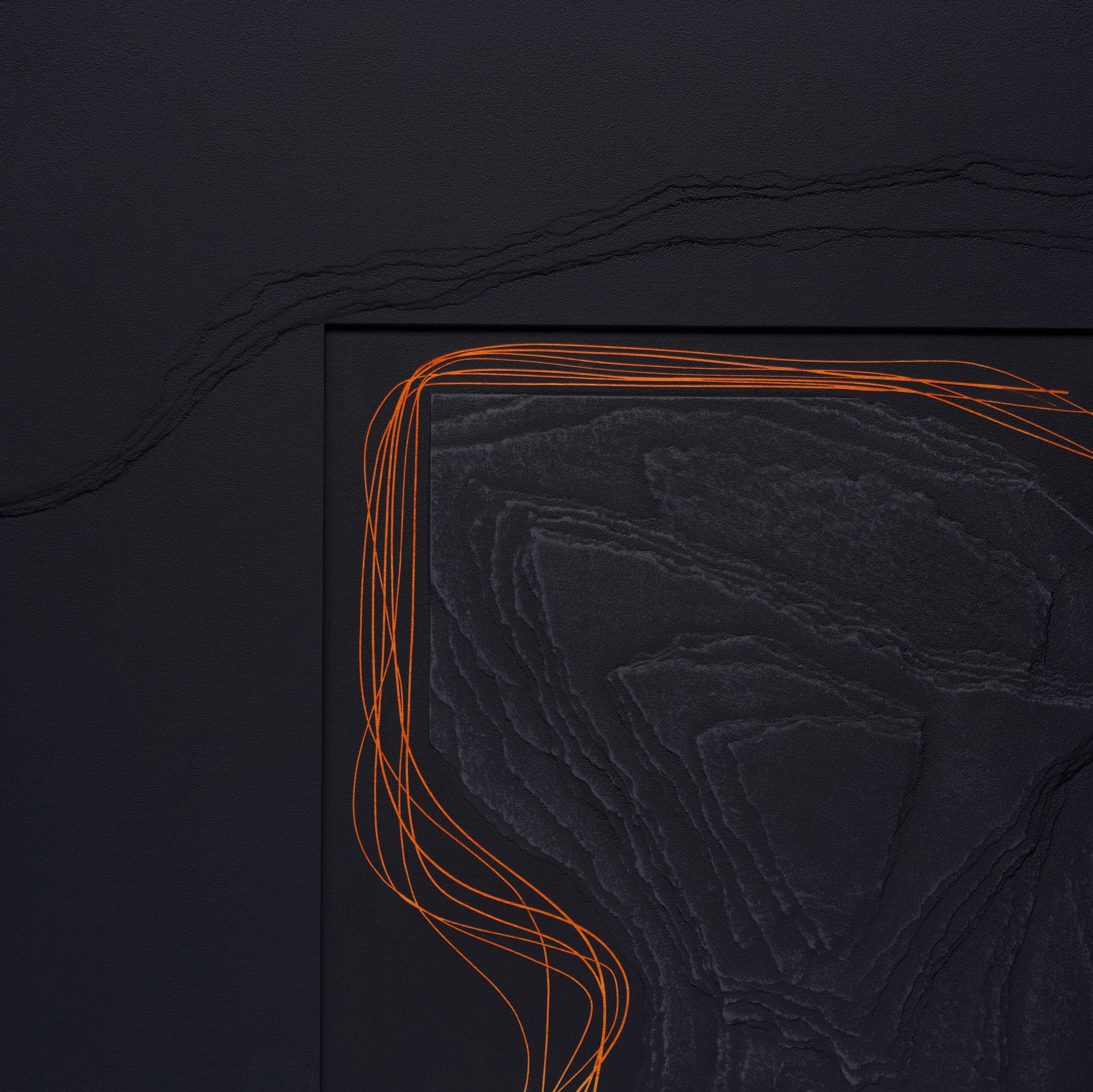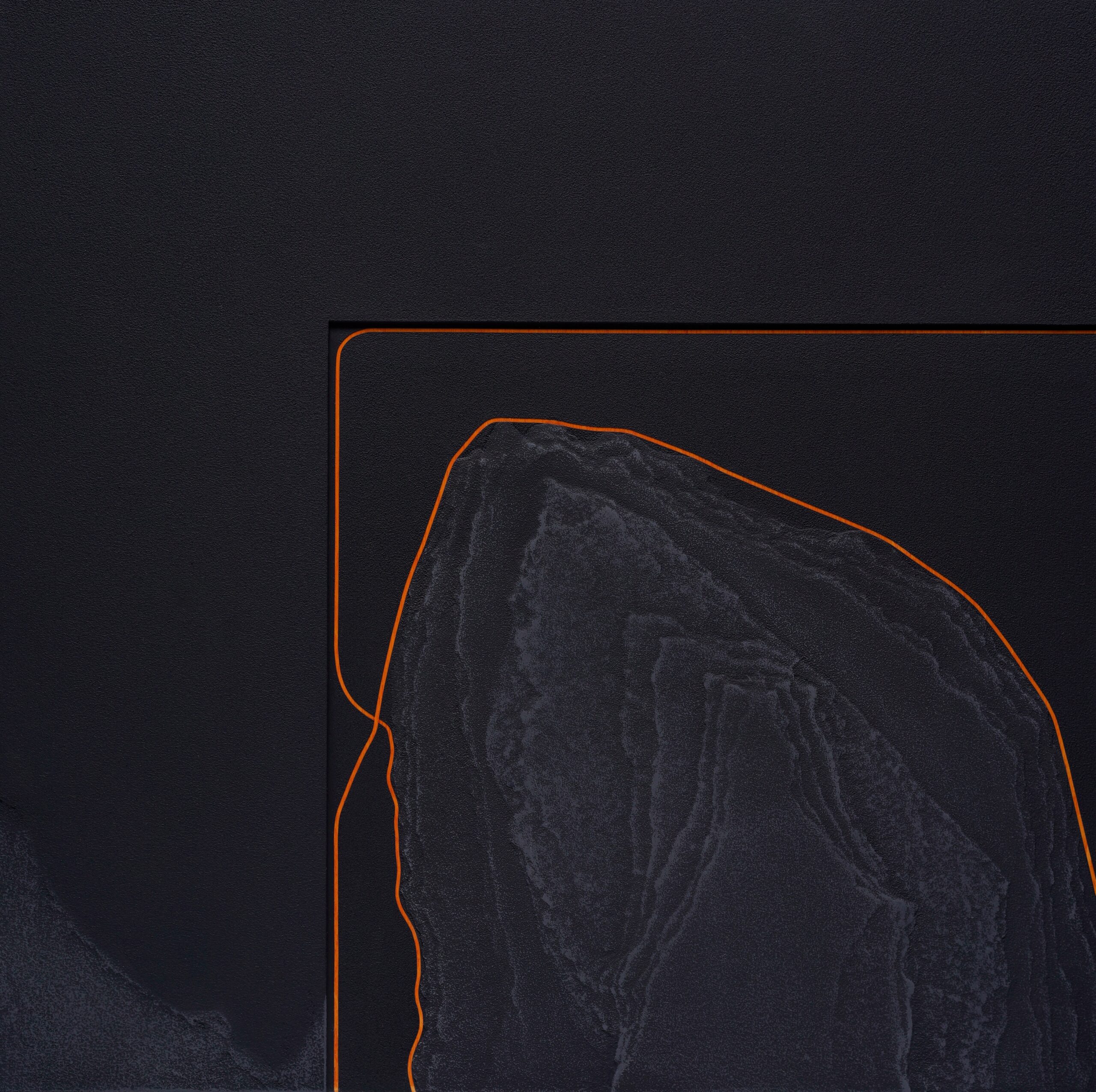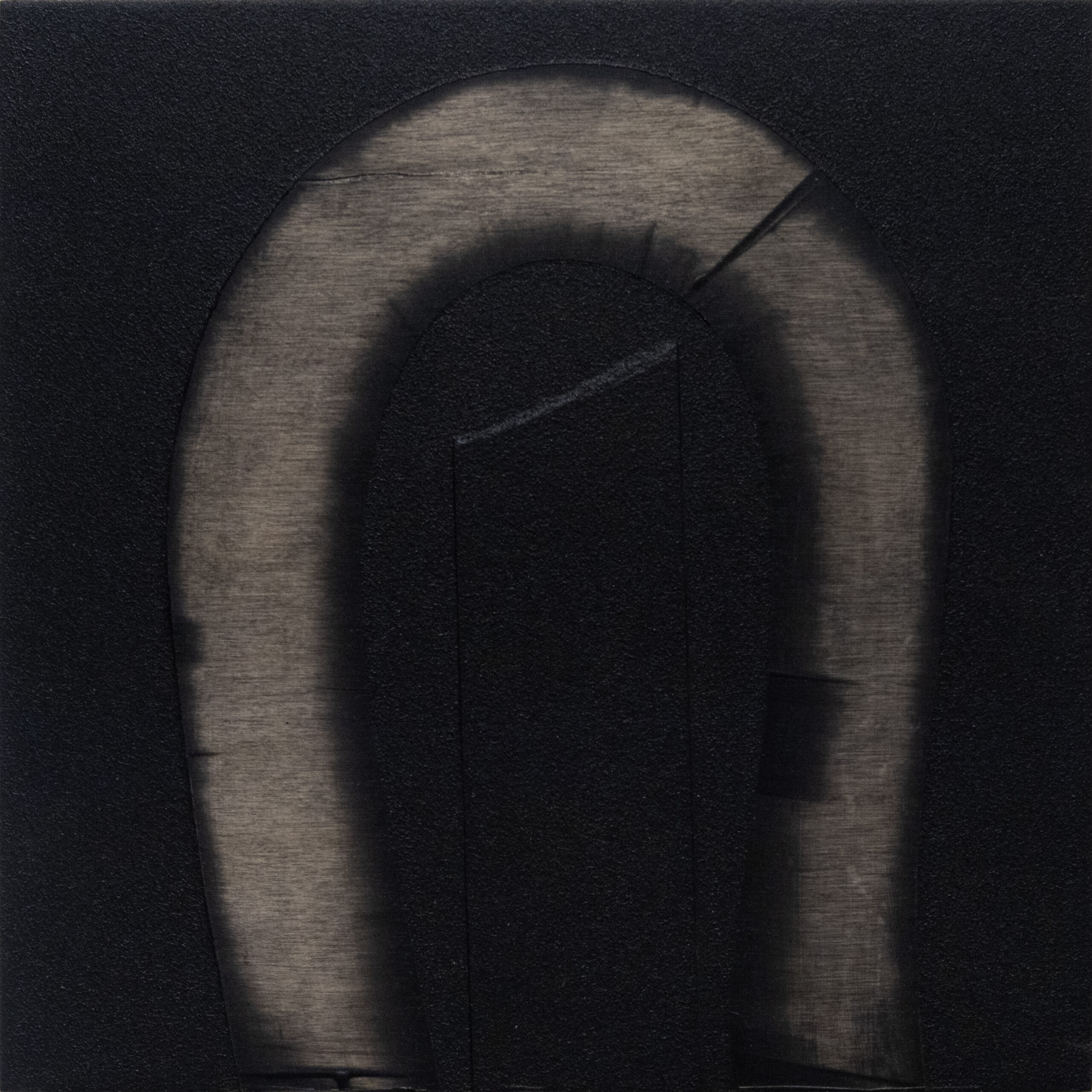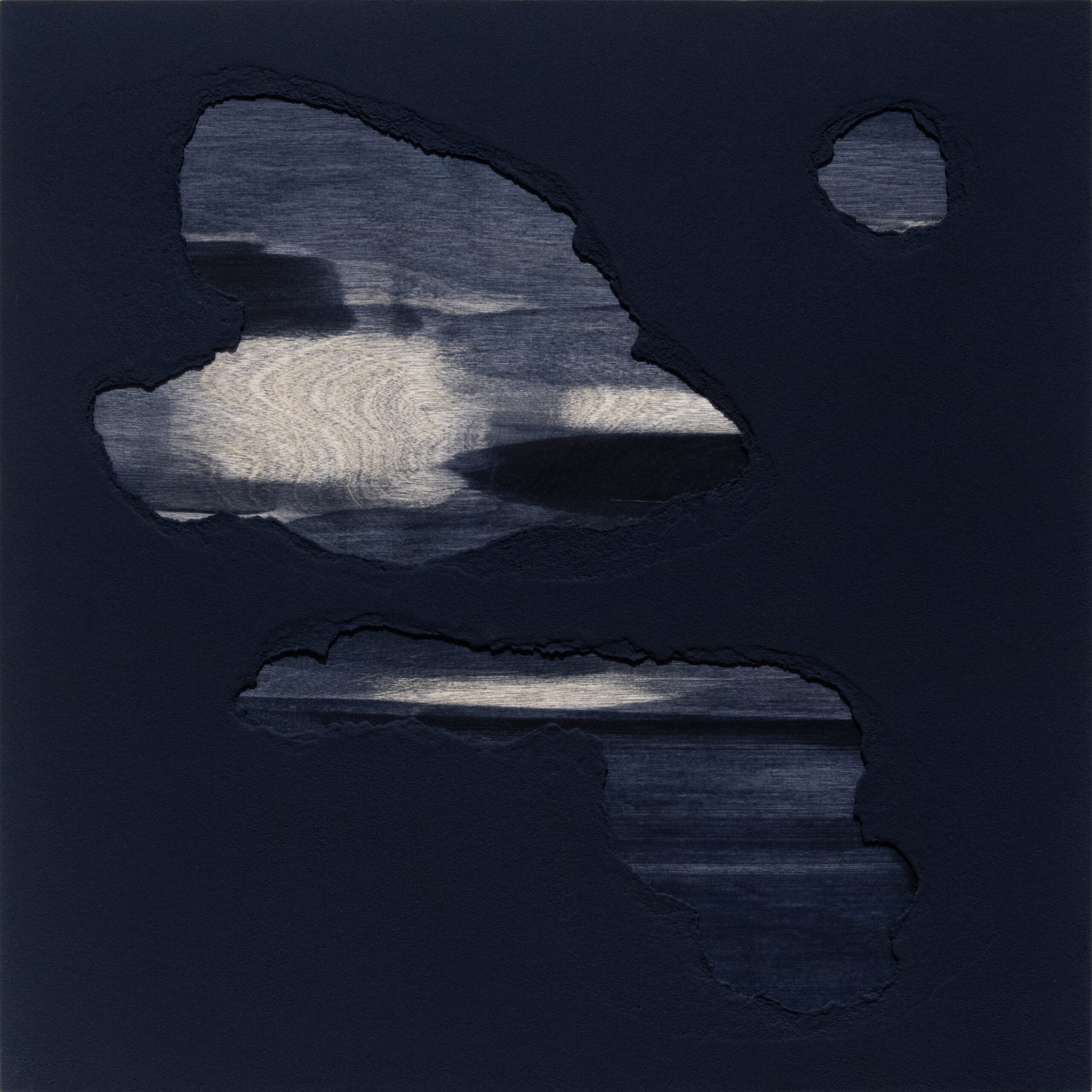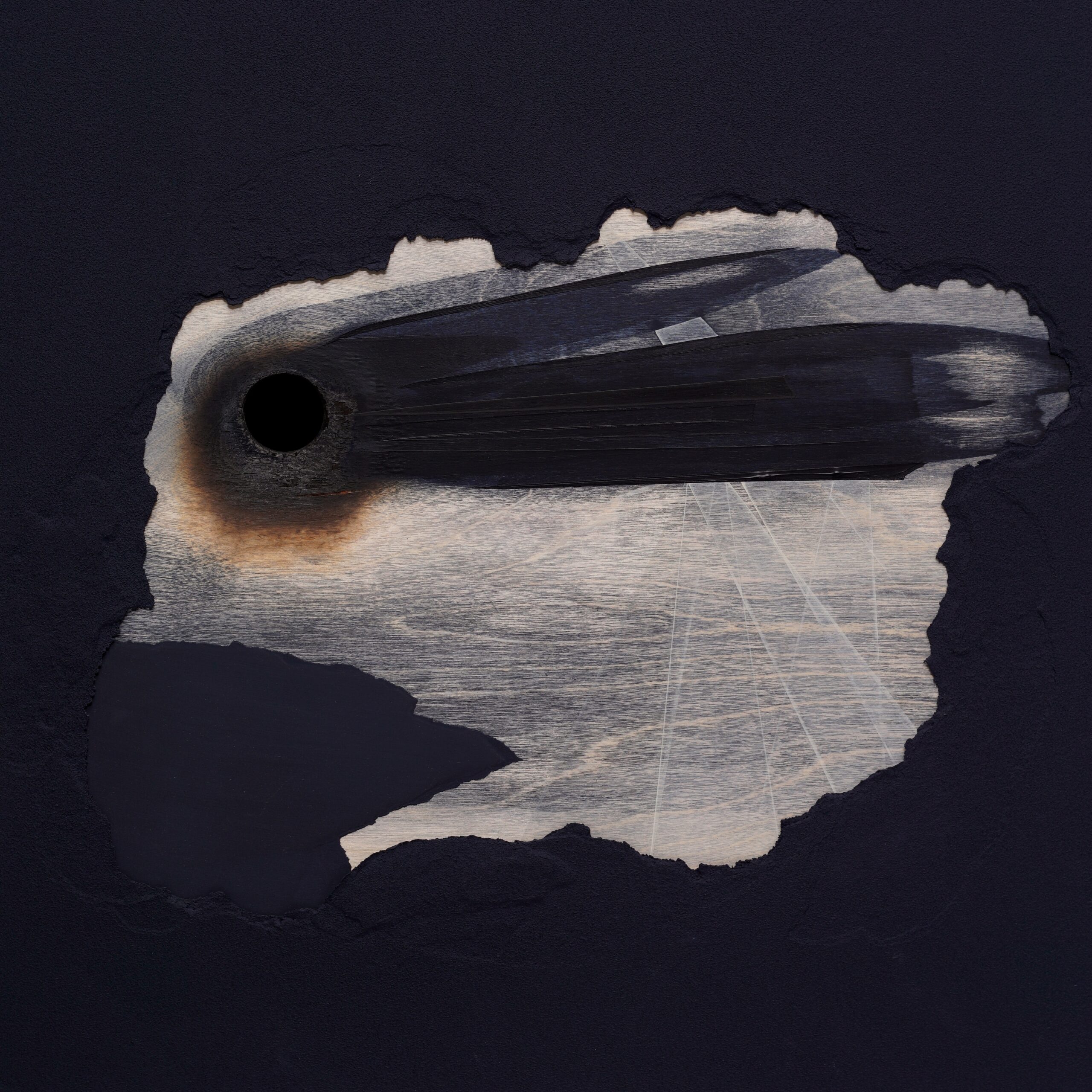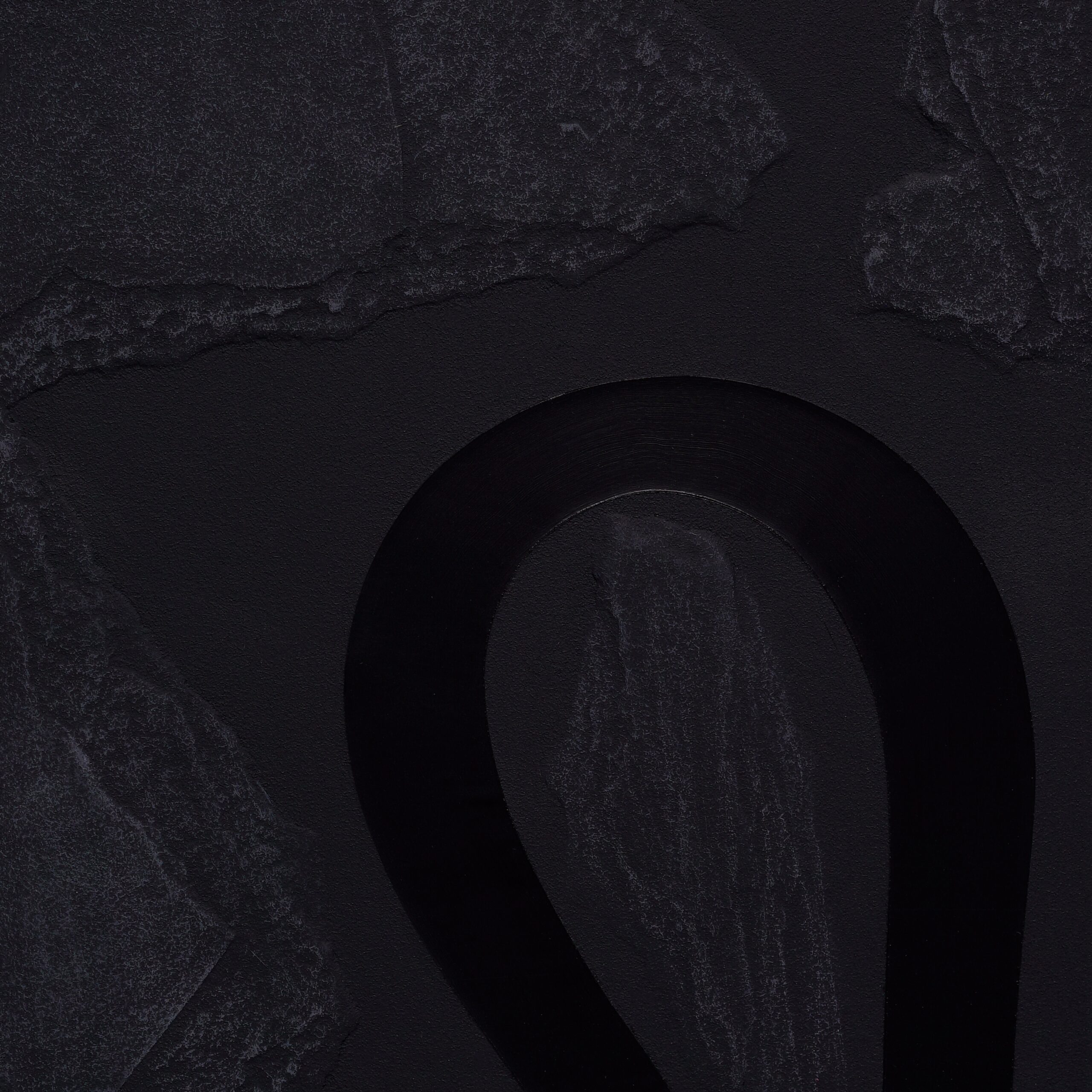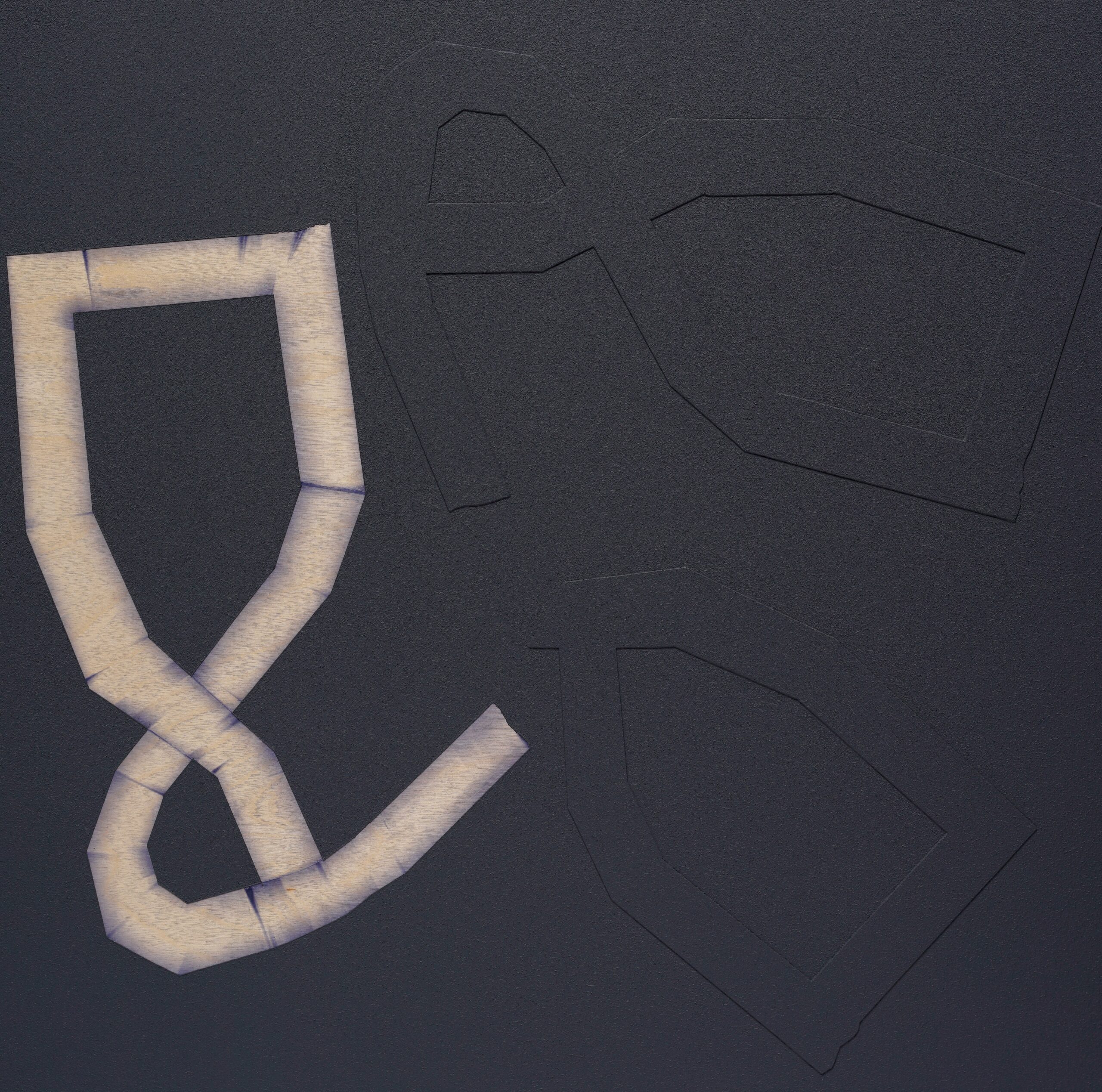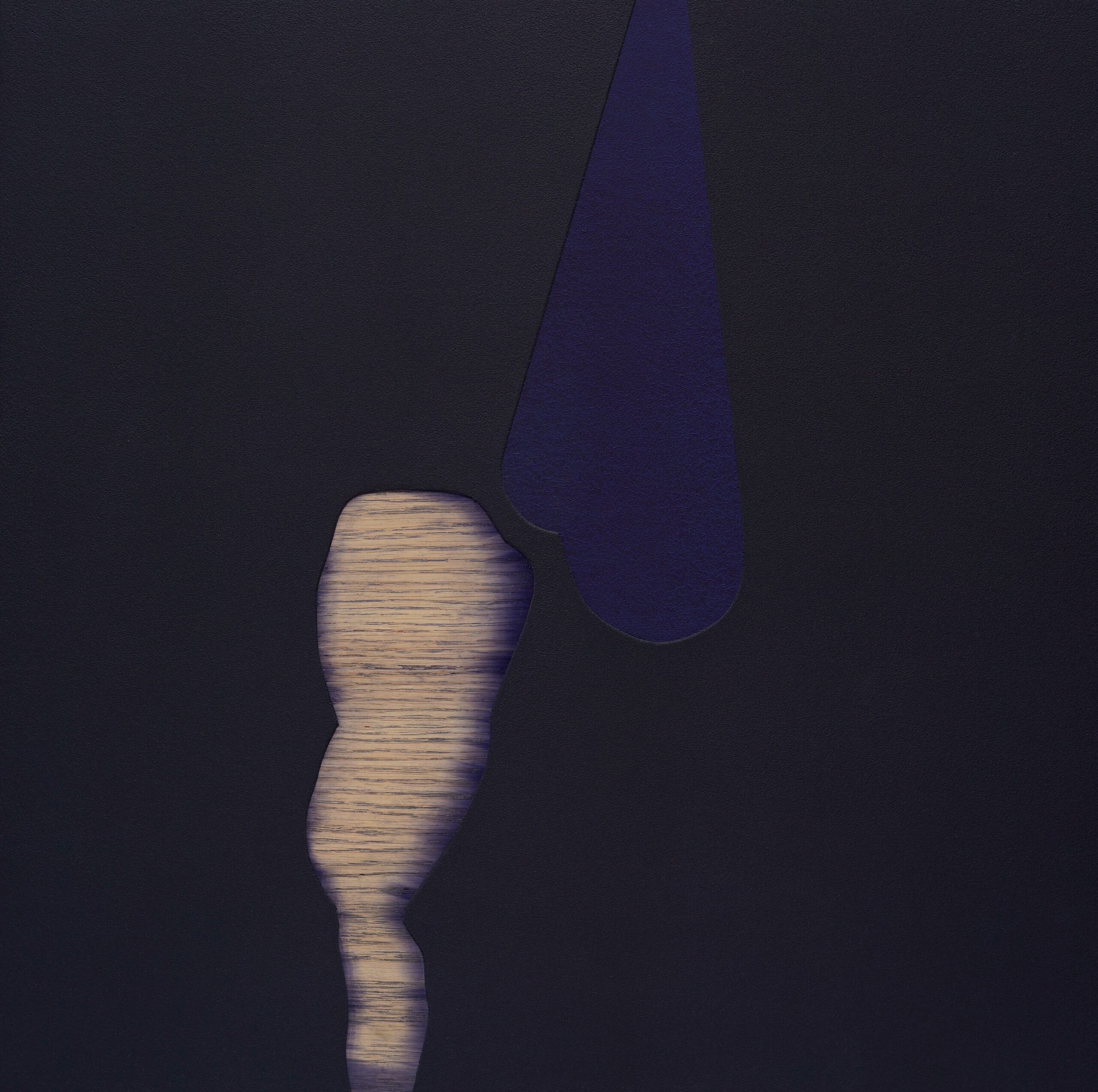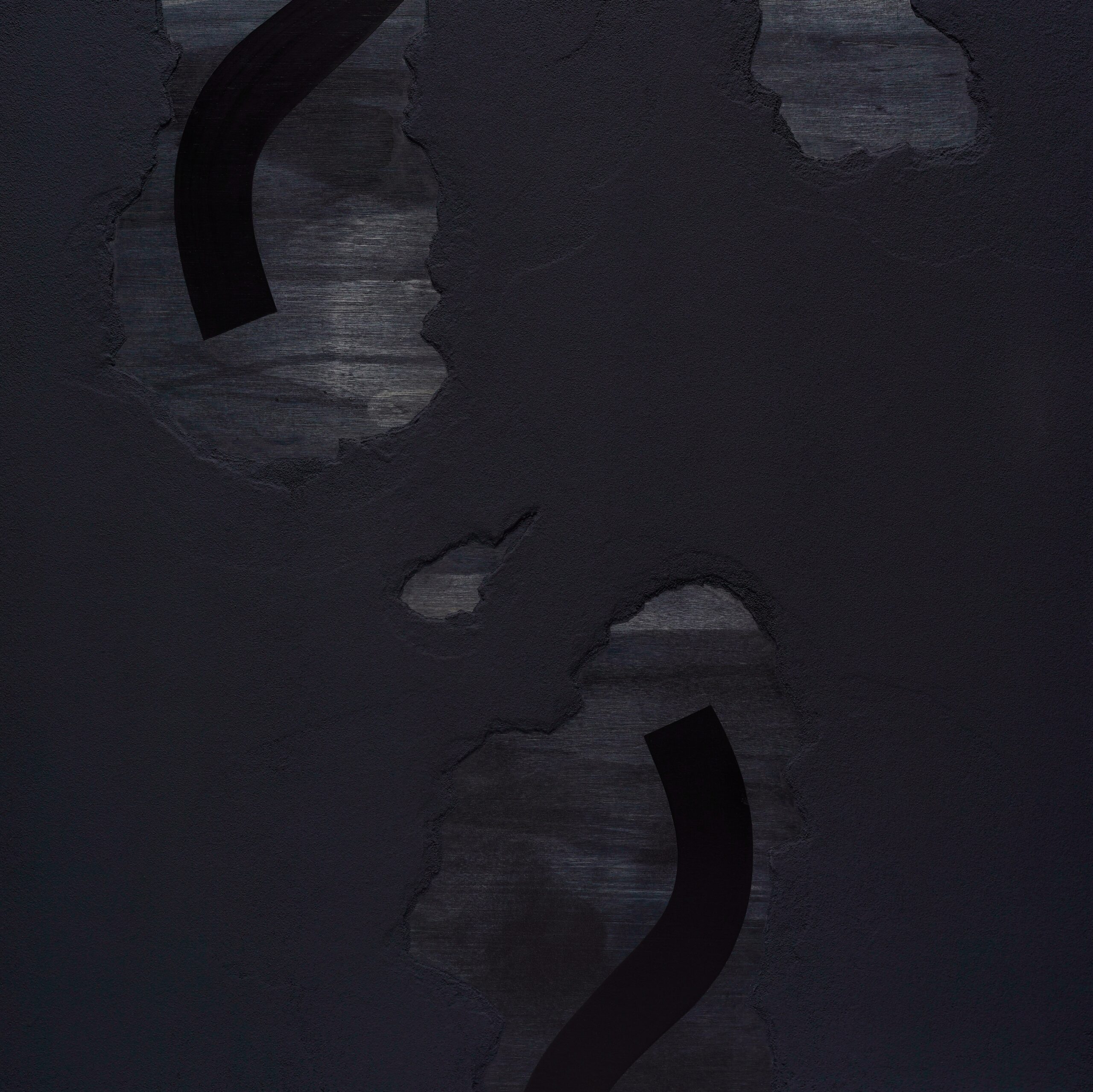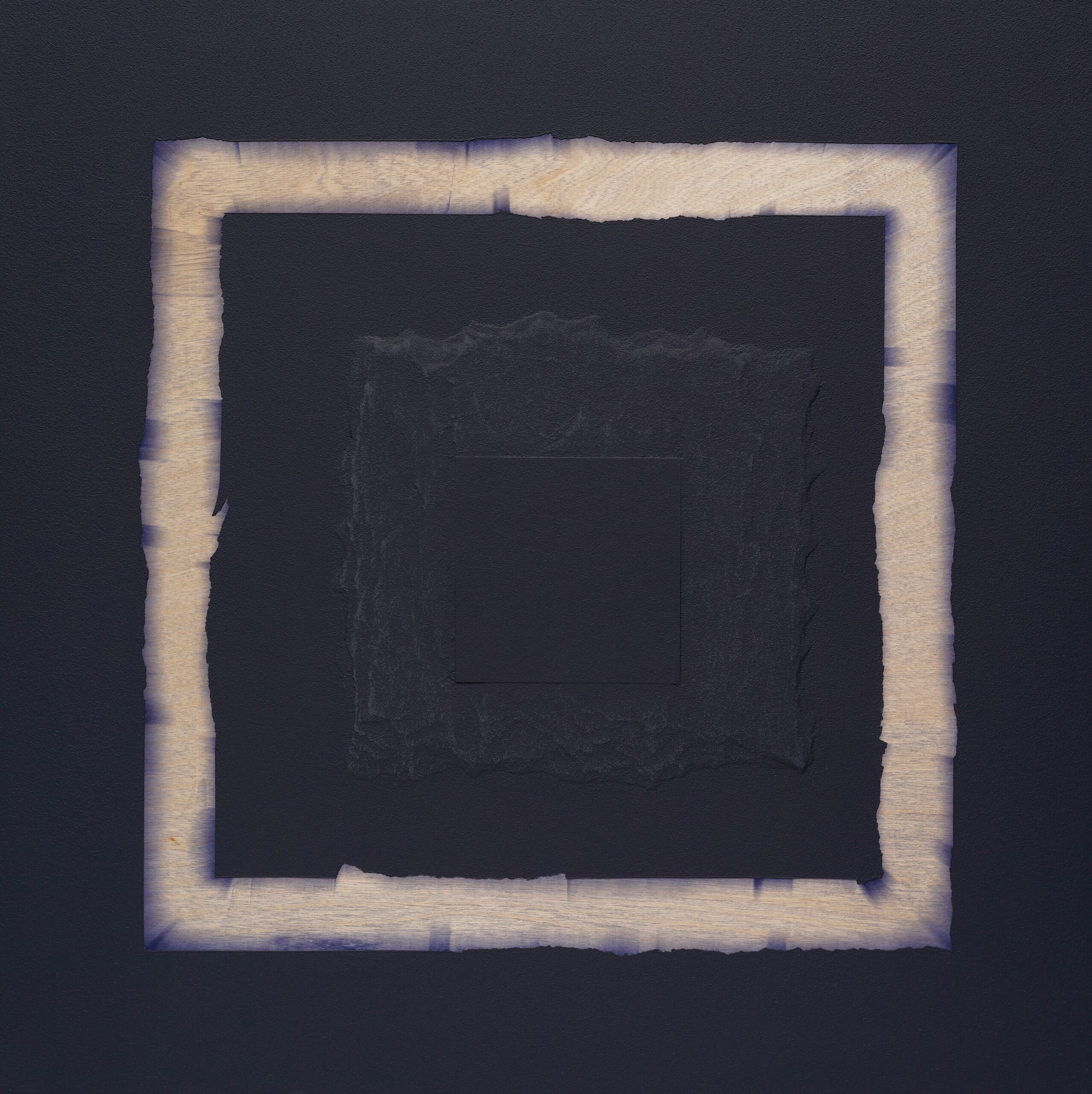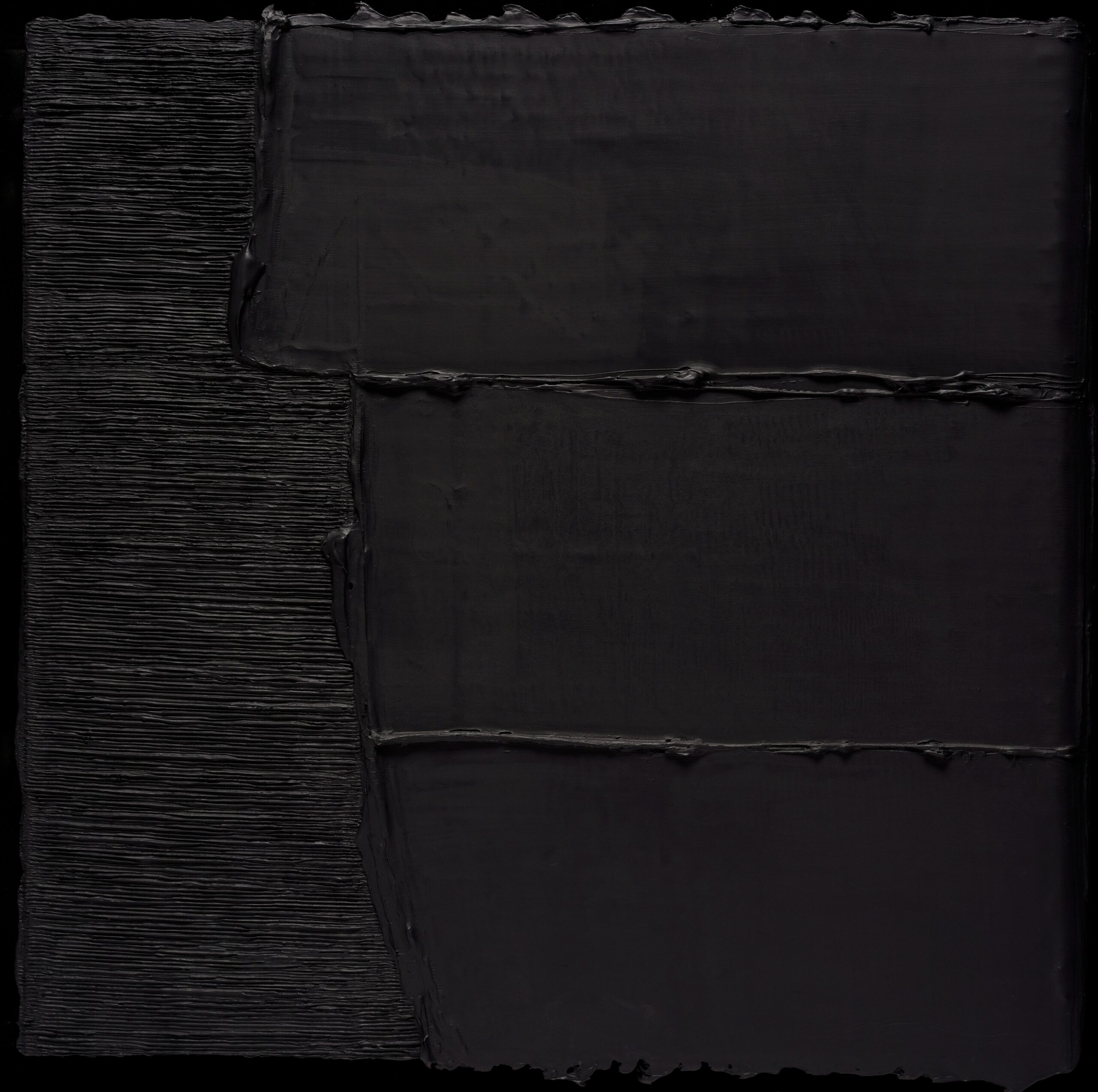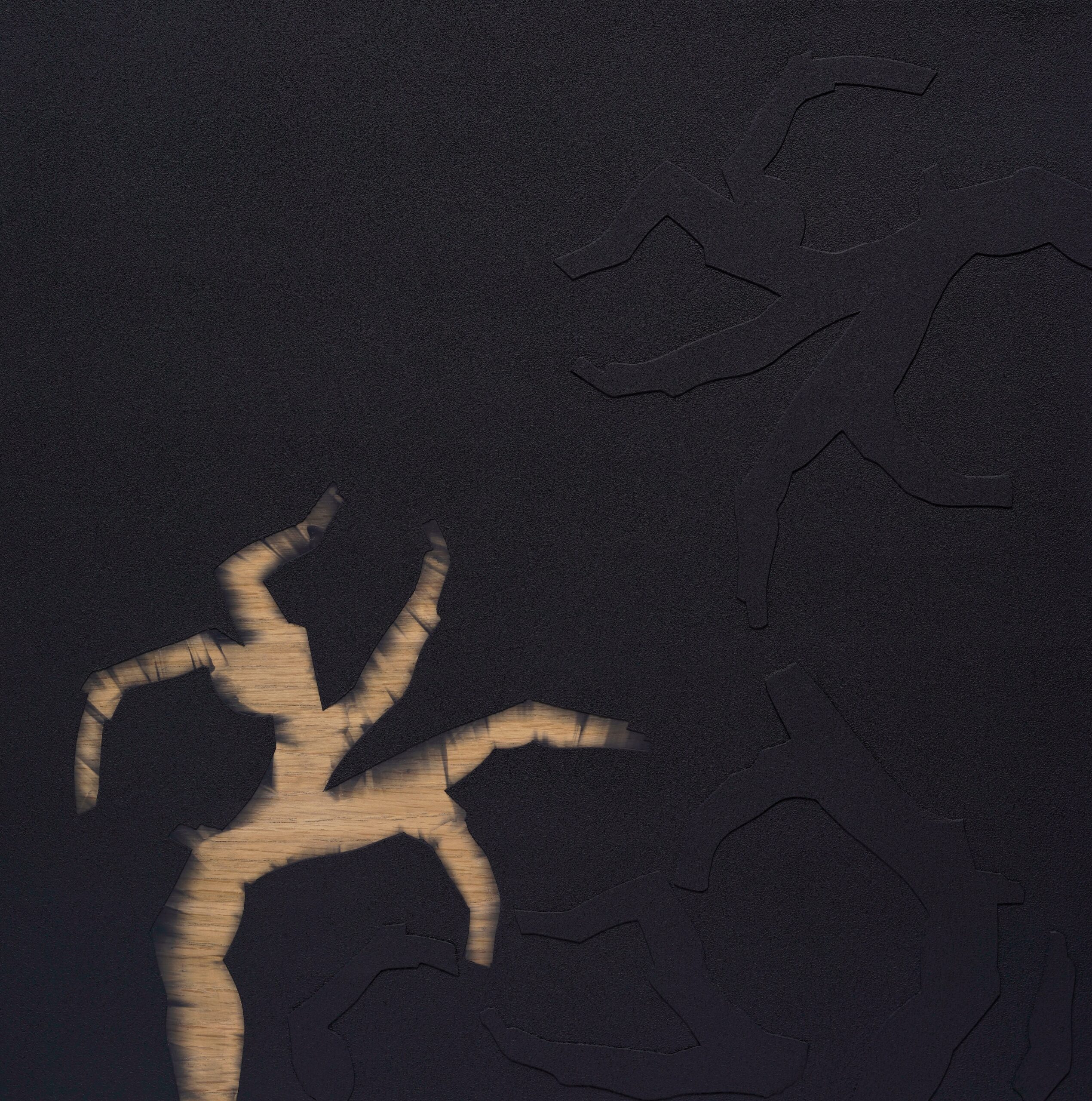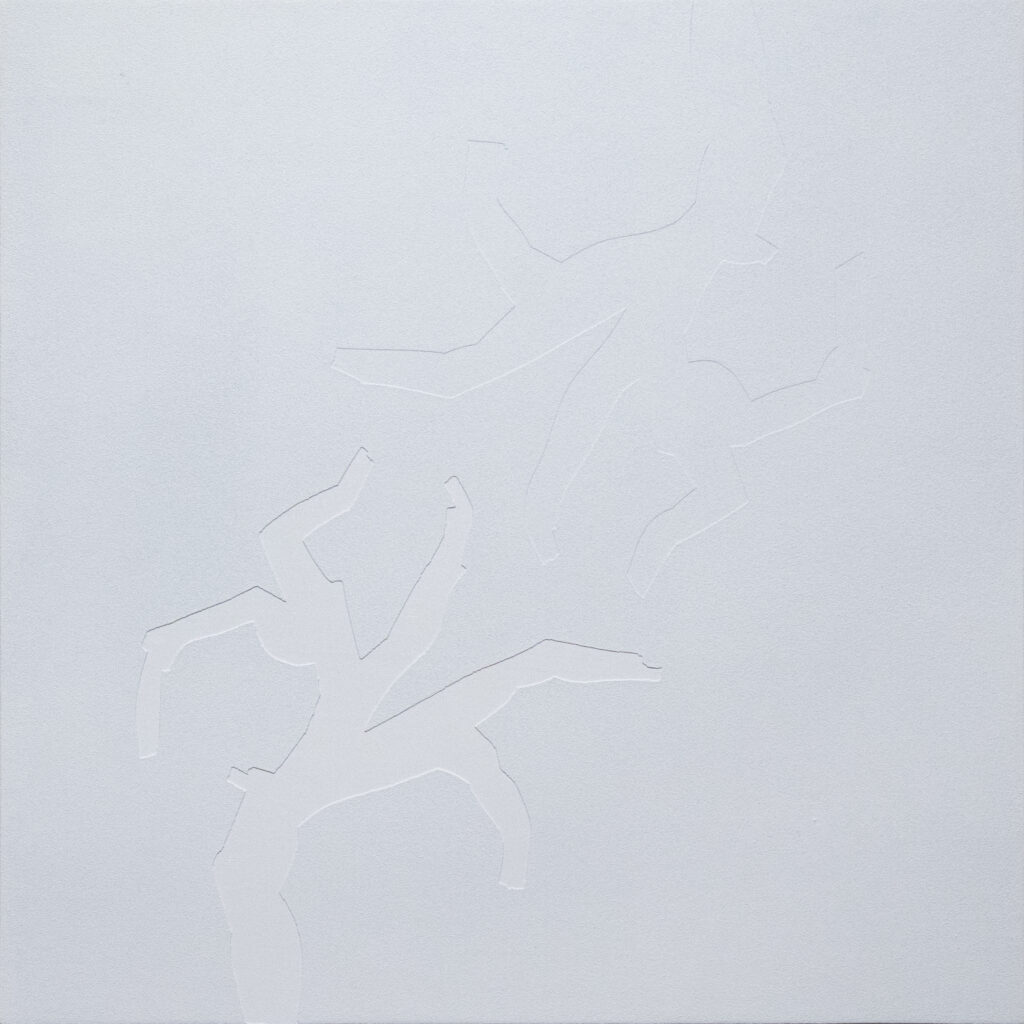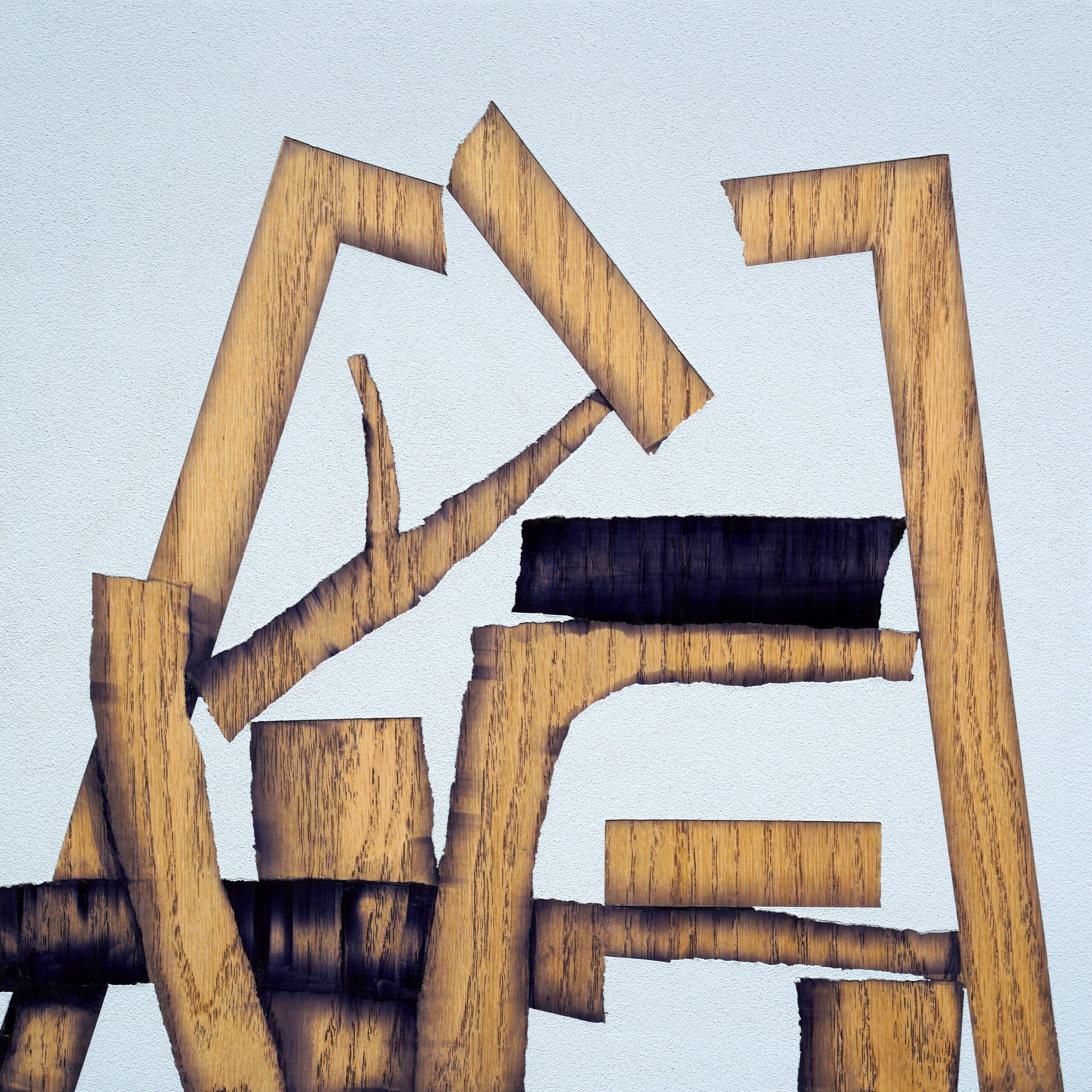

The Christopher Cutts Gallery is excited to announce our upcoming exhibition, Pat McDermott’s “You live between your will and the will of nature.”
“In The Educated Imagination, Northrop Frye makes a distinction between environment and home. Environments are places we inhabit out of necessity. The idea of home occurs when we have created the illusion of control over our environment; the grass grows here; weeds don’t belong in the grass—control. Once humans have what they need and are settled, they start to think about what they want. The impulse to build homes and communities is followed by the development of things like art, and culture in general, which, like the home, is an invention. Unlike the home, art has no functional utility. If we don’t have art, we might be ignorant, but ignorance is survivable. On the other hand, not having a place to live or things to eat is a much more precarious state than being without art.
My latest work examines the assumption that our homes and machines are distinct from nature or that we behave as though they are.
We build fences, sidewalks, roads, foundations, sewers, houses, grids, communities, theatres, surveys, apartment complexes, etcetera. The world we build lives on top of the environment that was once without communities and homes. As climate change accelerates, we are reminded that our manufactured states are temporary and ephemeral and that the earth will reclaim it all. My work contrasts the chaos of the organic with our machine-made order, and it reminds the viewer of this dichotomy. One need only look at places like Chernobyl to see nature metering out its rightful order. This dichotomy is both frightening and beautiful all at once. Once we settle down, we want beauty—control—but our will conflicts with the will of nature. We want control, but it is illusory. Art is the ultimate symptom of this desire to control. Art’s utility is that it shows us to ourselves.
What does it mean to be natural? Are manufactured and natural objects discrete from one another? Where does the natural world begin and end? Does the manufactured object suggest control? When the natural encroaches on the manufactured, are we losing control? Is art a form of control? These questions will be asked and answered differently by each viewer. The work, in the end, is about the viewer—you.”
— Pat McDermott